Following up on last week’s post, some readers asked if I could break down the data further – this time by political groups in the European Parliament.
Sure.
The figure below shows how many legislative files each political group has been assigned to lead in the Parliament.
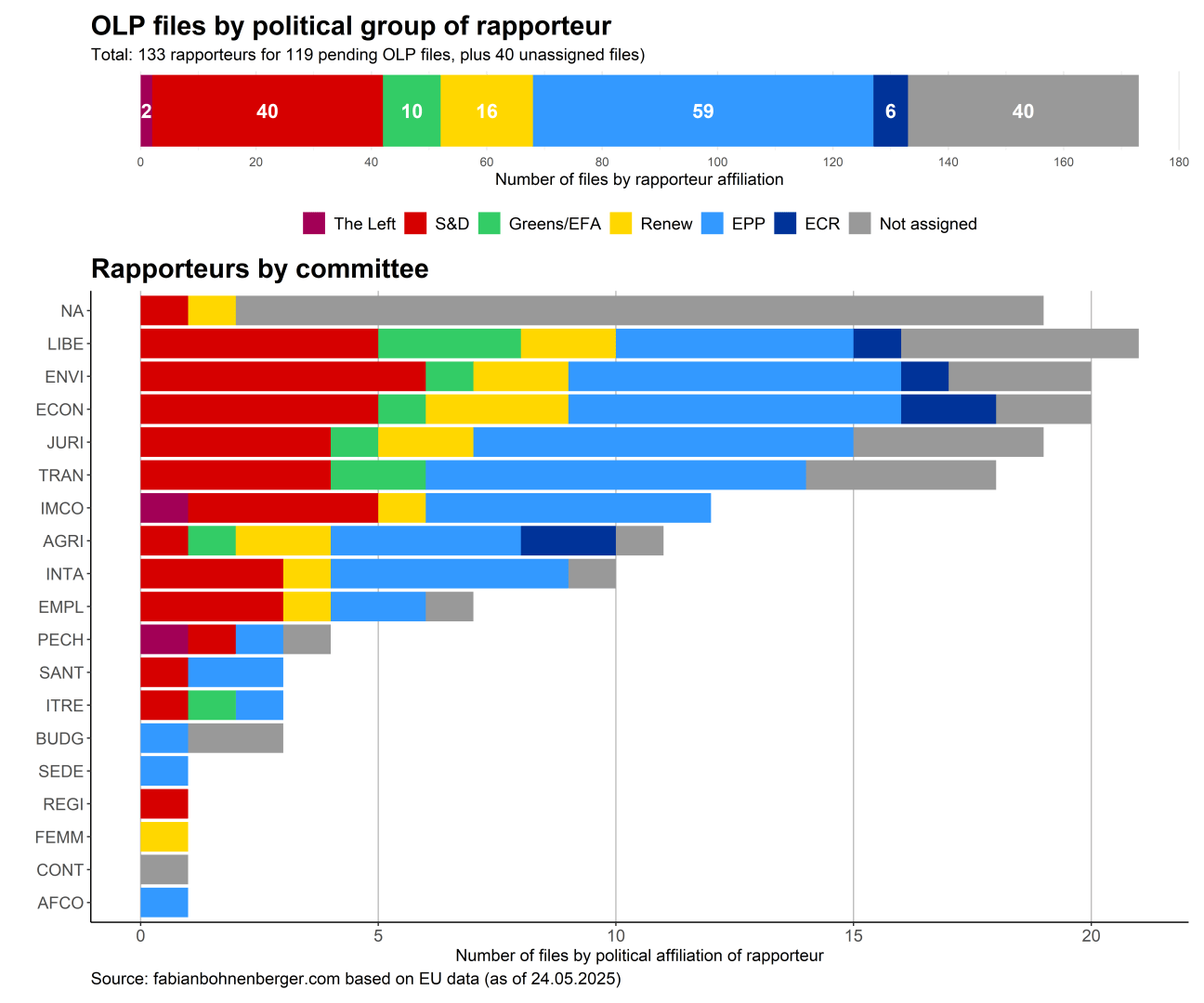
Some proposals have more than one rapporteur because multiple committees are involved, which is why 133 rapporteurs cover just 119 proposals. I only use current data for the Ordinary Legislative Procedure (OLP) here to keep it simple.
It is the rapporteur’s job to shepherd the legislative file through the parliamentary process, including drafting the Parliament’s report with amendments, building consensus among political groups, and leading negotiations with the other institutions.
The other political groups appoint shadow rapporteurs to follow and contribute to the file, but these are not reflected in this figure.
There are 40 OLP files that have not yet been assigned a group/rapporteur. This includes recently submitted proposals that are still waiting to be assigned to a parliamentary committee, after which a rapporteur will be appointed. Some files also remain from the previous legislative term, pending reassignment to a committee and/or new rapporteur. (Indicated with “NA” and in grey)
Who gets the work?
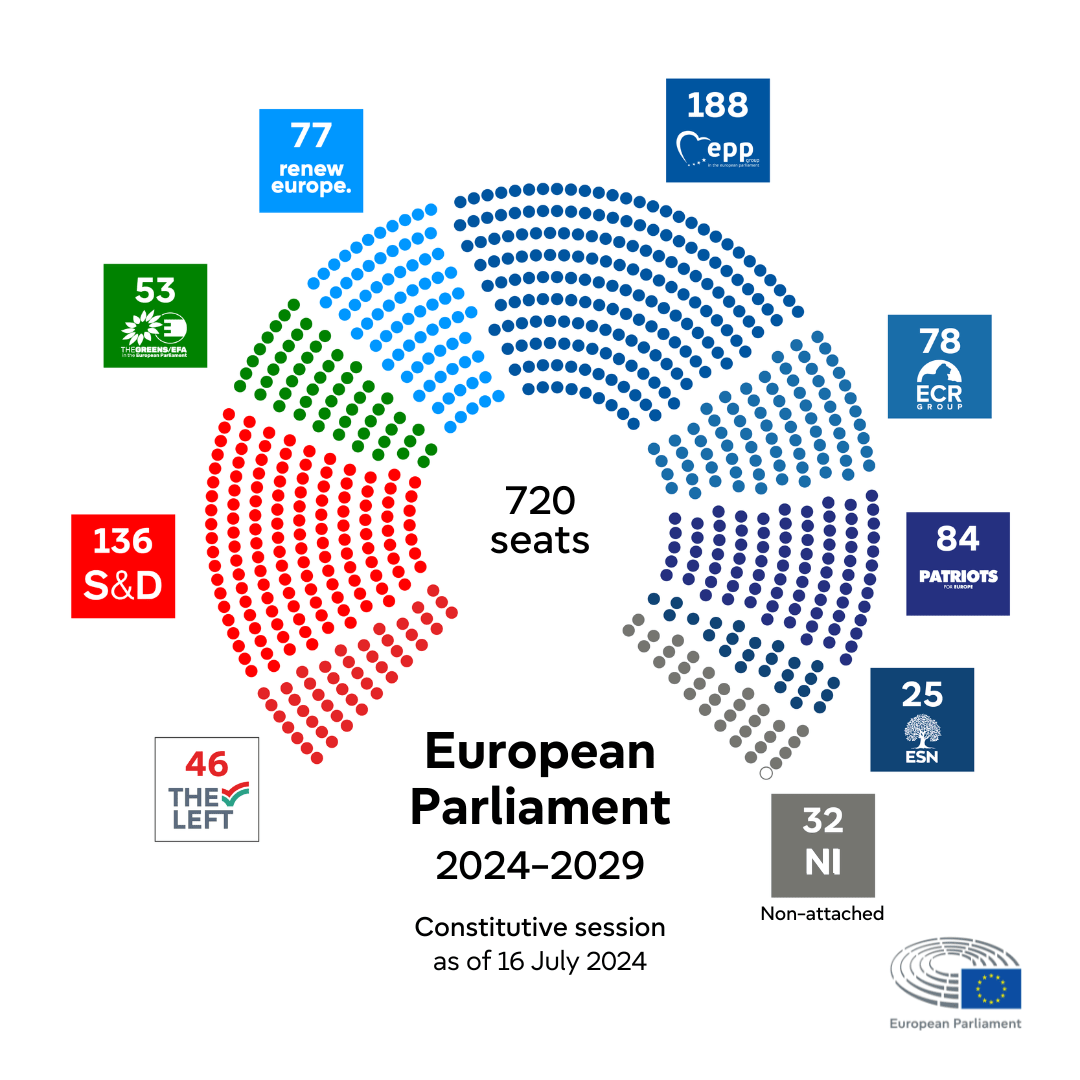
You will notice that the distribution of files among political groups does not precisely reflect their share of seats in Parliament (see official figure below).
The way files are distributed in practice varies significantly across committees. Some follow a points-based system, others rely on consensus.
My figure shows that the two major groups, the Socialists and Democrats (S&D) and the European People’s Party (EPP) still divvy up most of the headline-grabbing legislative proposals between them, leaving fewer reports for the rest.
The volume of legislative work also affects who gets it: committees with many legislative reports offer more chances for smaller groups to take the lead. In quieter committees, the big groups often dominate.
Moreover, political dynamics come into play – groups seen as extreme or uncooperative are shut out. While the ECR landed six files (two of which in the agriculture committee), the extreme-right Patriots for Europe and Europe of Sovereign Nations (ESN) groups have not been assigned any legislative work.



 Fabian Bohnenberger
2 responses to “EU Law-Making in Numbers: Political Groups”
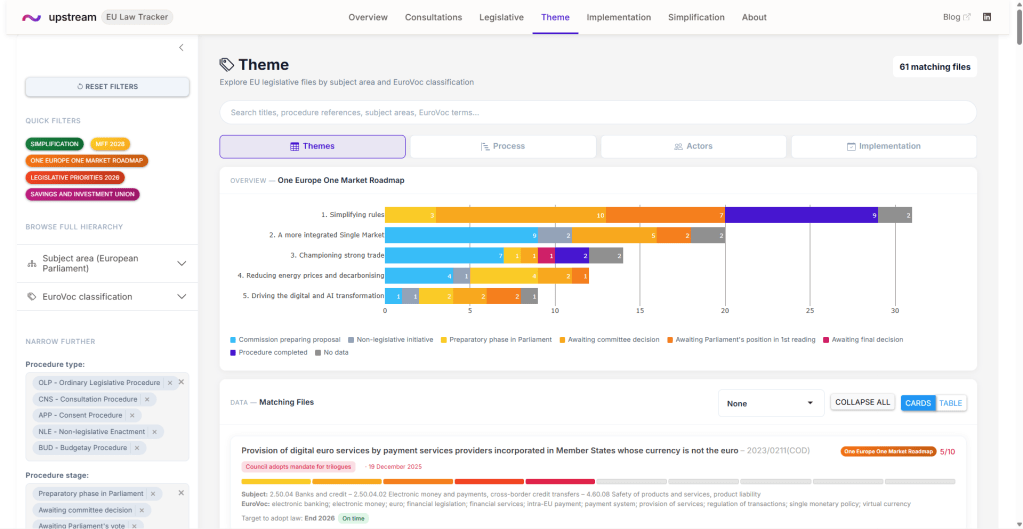
[…] with this is a dynamic report based on my dataset of EU legislative files – introduced here and here. The report contains some fairly basic but essential information about each legislative initiative […]
LikeLike
[…] 🧩 How legislative files are distributed among political groups in the European Parliament. (link) […]
LikeLike